
Water Line Replacement and Service Line Repair in Burbank
Many owners assume that a wet spot in the yard, a drop in pressure or a jump in the water bill is the water utility's problem, and that one call to the utility will settle it. Sometimes it is. Often the trouble sits on the private side of the system, in the line that runs from the meter to the house or in the pressure regulator just inside it. This page sorts out which side is which, how a service line is repaired or replaced, and what has to happen before anyone digs.
Call (818) 280-4874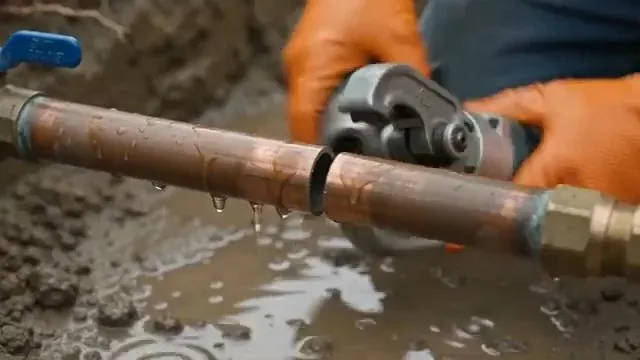
Which side of the meter is it?
Burbank Water and Power delivers the water, and the plumbing beyond the delivery point belongs to the property. Questions about pressure at the street, how the meter reads or what is in the water belong with the utility, not with a plumber. A leak in the building or in the yard line that serves it is a plumber's job.
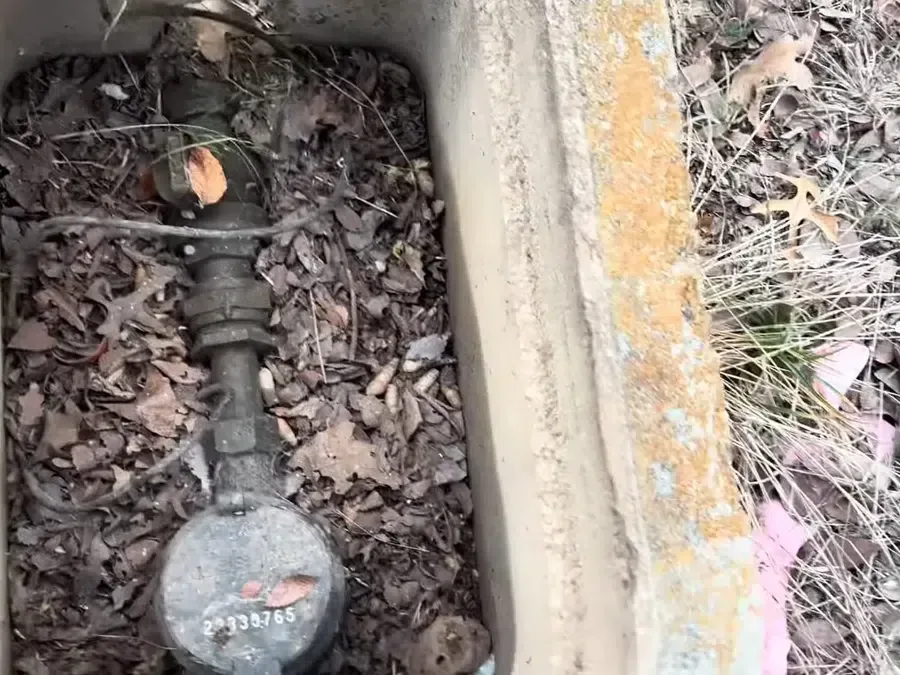
A simple test helps. Shut off every fixture and watch the meter. A meter that moves with everything off means water is leaking somewhere past it. The leak detection page explains how the search then narrows.
Water line plumber in Burbank: the yard line explained
The service line, sometimes called the yard line or main water line, runs from the meter to the house. It enters the building at a shutoff valve, and everything after that valve is house plumbing. Because the line is buried, a failure shows up indirectly: a soft or green patch of lawn, water pooling along the path of the line, low pressure at every tap, or a meter that keeps running.
Yard service line leaks start at joints, where roots or soil movement stress them, where they cross other utilities or where corrosion has thinned the pipe. The water meter itself is the utility's equipment and is not touched by a plumber, but the valve beside it and the line after it may be.
Low pressure or no water: line, regulator or the utility?
Pressure problems have three common sources and the pattern tells which. Low pressure at every tap points toward the service line, a partly closed valve or a failing regulator. Low pressure at one fixture points to that fixture. High pressure, with banging pipes and failing hoses, points to a regulator that has stopped doing its job.
| What happens | Likely place | Who looks first |
|---|---|---|
| No water at all, neighbors have water | Closed or failed shutoff valve, or a broken service line | A plumber, after checking the valves |
| No water, neighbors also have none | A utility outage or main break | The utility |
| Low pressure at every tap, meter spinning | A leak in the service line | A plumber, with a pressure test |
| Low pressure at every tap, meter still | Partly closed valve, clogged fittings or a failing regulator | A plumber |
| High pressure, loud pipes, dripping fixtures | A pressure regulator (PRV) that has failed | A plumber |
| Low pressure only in the morning or evening | Demand on the street supply | The utility |
A pressure regulator brings street pressure down to a level fixtures can handle. When it fails, pressure can climb, which stresses pipes, water heaters and hoses. A plumber reads a gauge at a hose bib and replaces the regulator if the reading is off. Pressure testing of lines is the same idea applied to the pipe: close the line, apply test pressure and see whether it holds.
Water line replacement in Burbank
Replacement is for a line that has failed more than once, has corroded through along its length or is made of material the plumber would not install today. The new line follows the old path or takes a new one. Where the yard has hardscape, trees or utilities above, the route is chosen to limit digging.
Methods range from open trenching to pulling new pipe through the old path with a small excavation at each end. Which one fits depends on the soil, the depth and what lies above the line. Ask the plumber why the proposed method suits the property and what the surface restoration includes.
Repair, replace or reroute: how the choice is made
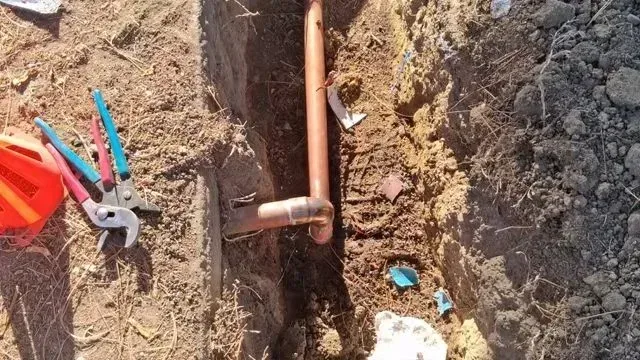
A single leak at a joint in an otherwise sound line is a repair: the plumber exposes the line, cuts out the failed section and installs a coupling or a short length. When the pipe is brittle, pitted or leaking in more than one spot, repair stops making sense and replacement does. A reroute abandons the old path for a new one, which can be wise when the old route runs under a structure or a mature tree.
The question to ask is how much of the line the plumber has seen. A repair that rests on a camera or an exposed section is sound. One that rests on a guess is not.
Can a water line problem be an emergency?
Yes. Water pooling at the foundation, a service line that has separated or a flood from a broken line is an emergency, and so is a house with no water that is also a health concern for someone in it. Close the shutoff valve at the house if you can reach it, and call. Our dispatch line never closes, and how soon someone arrives is set once a plumber is assigned.
Trenching: 811, permits and what has to happen first
Digging near utilities has two requirements before the first shovel goes in.
Points to confirm with the plumber before digging
- Where the line runs and how that was determined
- That the 811 ticket is placed and the utilities are marked
- Which permits apply, and who is named on them
- Whether the work includes a pressure test of the new line
- What the shutoff valve at the house looks like and whether it is replaced
- How the yard, driveway or landscaping will be restored, and by whom
Water line details
What does the water meter do, and who handles it?
The meter measures what the property uses and belongs to the utility. A plumber does not repair it. If the meter looks wrong, leaks at its connections or will not read, the utility is the contact.
What does a shutoff valve do?
The valve at the house, or the one at the meter, lets the whole building be isolated. A valve that will not close fully or that leaks at the stem is replaced, and doing so is a common first step in service line work.
What about high water pressure and a regulator?
High pressure shortens the life of pipes, fixtures and the water heater. A plumber tests it at a hose bib and replaces the regulator if the reading is outside the usual range for houses.
Water line questions before anyone digs
Why is my water pressure low?
Low pressure at every tap can come from a service line leak, a partly closed valve or a failing regulator. A meter that moves with the fixtures off points to a leak. Pressure low only at one fixture points to that fixture.
How is a leak in an underground or buried water line found?
Pressure testing and listening gear narrow it to a spot, and the plumber exposes the line there. A soft patch in the yard or a rising bill are the first clues.
How do I know whether my service line contains lead?
A plumber can identify the pipe material at an exposed section. For records on the utility's side, ask Burbank Water and Power what it has on file for your address.
What does the water meter have to do with a line leak?
The meter is the quickest test for a leak. Fixtures off and a moving dial mean water is escaping. It also marks the boundary where the utility's equipment ends.
Other services on the supply side
Wet yard or no pressure?
Describe the meter, the wet spot and the pressure to the dispatcher, and a plumber picks up from there.
Call (818) 280-4874