
Water Heater Installation and Replacement in Burbank
Repair it one more time, or replace it now? That is the question behind most water heater installation calls: a tank that is past its prime, a repair quote that is a large share of a new unit, or a heater that failed on a cold morning and has to be swapped today. This page covers what a replacement involves in Burbank, how fuel type and tank size are chosen, what the City asks for in permits, and what belongs on a written quote before the old tank leaves the house.
Call (818) 280-4874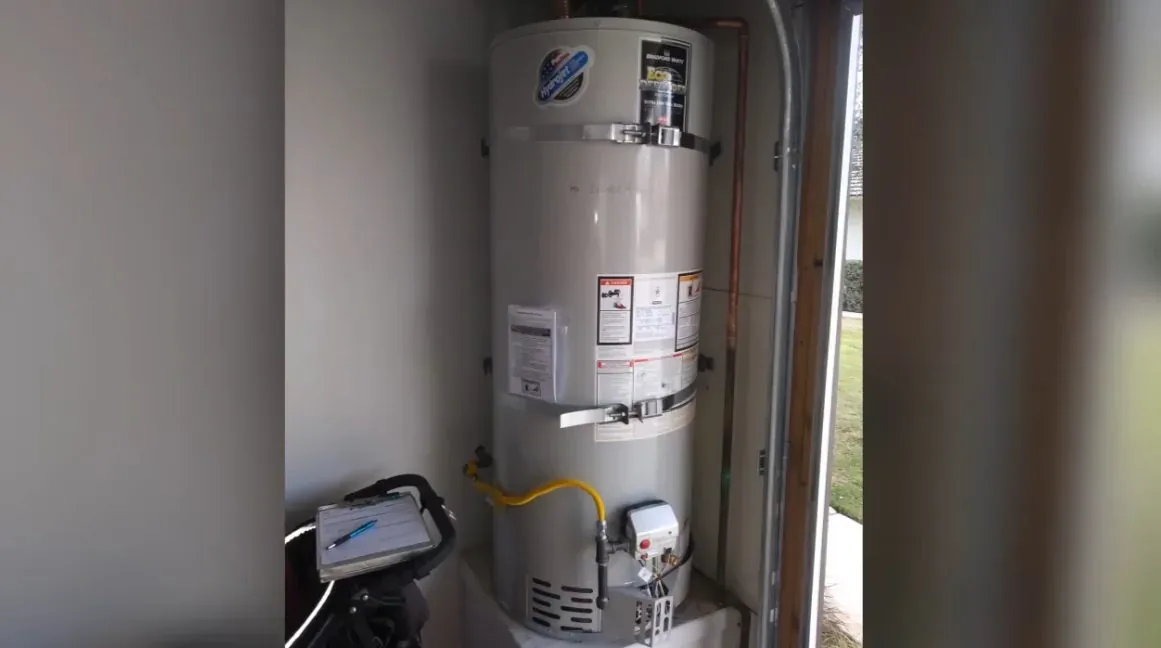
Water heater installation: what the job includes
A standard installation removes the old unit, sets the new one on a stand or platform, connects the cold and hot water lines, reconnects gas or electrical power, fits a temperature and pressure relief valve with a proper discharge line, and tests for leaks and correct operation. The details change with the fuel and the location. A garage unit has different clearances from a closet unit, and a gas unit needs a vent that draws properly.
The installer or company matters because the parts that go wrong later are the ones done in a hurry: a poorly sloped vent, a missing seismic strap, a relief line that dead-ends, a gas connector that was reused. Ask who will actually do the work, whether they are the plumbers of the company on the phone or an independent plumber in the network, and who stands behind the connections afterward.
Tank, tankless or heat pump: what changes in the house
Gas, electric, hybrid and heat pump units all heat water, but each one asks something different of the building. A gas tank needs a gas line of the right size and a vent. An electric tank needs a dedicated circuit and capacity at the panel. A heat pump unit adds clearance and air volume requirements and a condensate drain. A tankless unit needs a larger gas line or heavy electrical service, and its own venting.
| Type | What the house must supply | Common catch |
|---|---|---|
| Gas tank | Gas line, vent to the outside, floor space and a relief discharge | Vent slope and clearance in a closet or garage |
| Electric tank | A dedicated circuit with enough breaker capacity | A full panel that needs work before the heater can go in |
| Heat pump (hybrid) | Room volume or airflow, a condensate drain and a nearby outlet | Size is taller and louder than a standard tank |
| Tankless gas | A gas line sized for peak load and a vent rated for the unit | Existing gas piping is often too small |
| Point-of-use or under-sink | A nearby outlet and a cold line | Serves one fixture, not a whole house |
Sizing in gallons follows the number of people and the hot water habits in the house, not the square footage. A household that showers back to back needs more recovery speed than a household that spreads use through the day. Tank versus tankless is its own decision, covered on the tankless water heater page.
Gas water heater replacement when the old tank has failed
Replacement is usually a same-visit job when a unit is in stock, and a failed heater at night is a reasonable reason to call. The dispatch line picks up at any hour. Stock on hand and the plumber's schedule decide the timing, so none is quoted by phone.
If the old tank is leaking, shut the cold supply valve, turn off the power or set the gas valve to off, and drain what you can to a floor drain with a hose. Do not try to carry a full tank. A like-for-like swap of the same fuel and size is the simplest path. Changing fuel type or location brings gas, electrical, venting and permit work along with it, so ask whether the quote is for a like-for-like swap or for a change.
Permit and inspection: ask who pulls it
Replacing a water heater is permit work in Burbank, and the City has made some of it easy to request.
An unpermitted replacement can surface later, at a sale or an insurance claim. The question to ask on the phone is simple: is the permit included, and who is named on it?
Bracing is part of a replacement in California
Earthquake bracing is a separate line on a good quote, not an afterthought.
Expansion tank, code and the details that get skipped
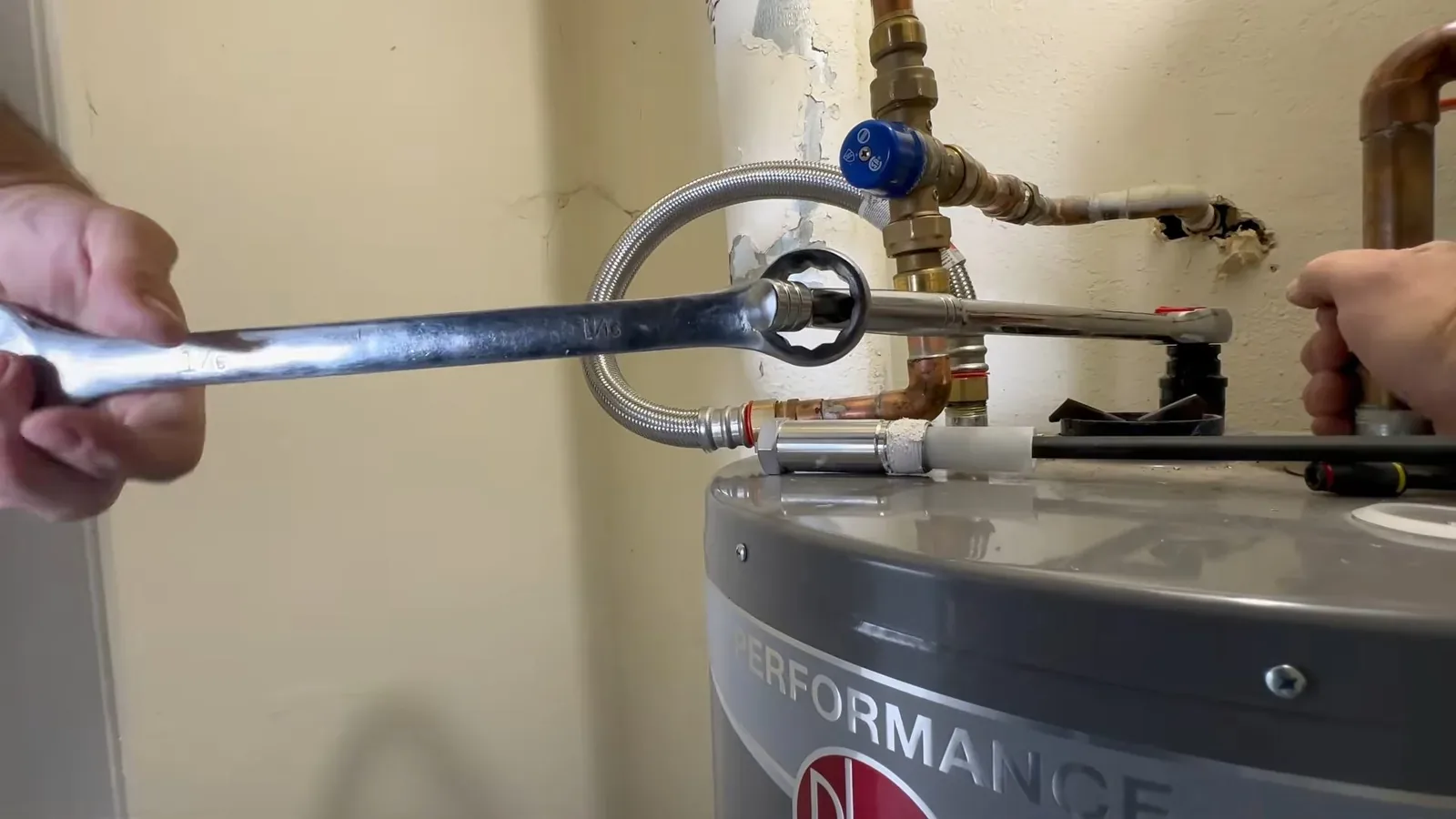
An expansion tank absorbs the pressure rise when water heats in a closed system, which is common where the supply has a pressure regulator or a check valve. When one is required or sensible depends on the house plumbing, and the plumber should check static pressure before deciding. The same inspection looks at the relief valve and its discharge line, the shutoff valve, flexible connectors, dielectric fittings and the gas shutoff.
Code upgrades found during replacement, such as a vent that does not meet the current requirement, belong on the quote as separate lines so you can see what is a swap and what is a correction. A plumber who points out a problem and prices it before work starts is easier to trust than one who adds it afterward.
Hard water and the unit you choose
Water hardness affects how long any tank lasts and how a tankless unit behaves.
Softening is its own topic, on the water softener page. For a heater that is being replaced because of scale, repeating the same setup tends to repeat the result, so ask what is different this time.
What to ask on the quote
- Fuel type and tank size or capacity, in plain words
- Whether bracing, a new relief valve and discharge line, new flexible connectors and a gas shutoff are included
- Who pulls the permit and whether an inspection is scheduled
- Whether haul-away of the old tank is included
- Any code corrections found, listed separately
- What the written warranty covers, for parts and for labor, and who handles a claim
Same-day and emergency installs follow the same list, just faster. A plumber who is hurrying to replace a failed unit should still be able to answer each of these.
Water heater installation questions that come up at the door
Where can a water heater go?
Garage, closet, utility room, attic or outdoor enclosure, depending on the type. Gas units need combustion air and venting, heat pumps need room volume, electric units need only the circuit and clearance. A plumber checks local clearance rules before choosing the spot.
Can a tank be replaced with a tankless unit?
Often, with work. The gas line, vent and electrical service usually change. See the tankless page for what the conversion involves.
What are point-of-use and under-sink units for?
Small units that heat water at one sink or bath, so the hot water arrives without a long wait. They add comfort to a far fixture and do not replace a main heater.
Water heater installation questions answered
Can I get a same-day or emergency water heater replacement?
Yes, the line is staffed day and night. A same-day install depends on whether a matching unit is available, so the dispatcher makes no promise.
Can two water heaters be replaced in one visit?
Yes, in many homes. Two units mean two permits or one combined permit, depending on the City, and a longer visit. Ask for each unit to be listed separately on the quote.
Tank or tankless: how do I decide?
Pick tank when the house suits it and the budget is tight on conversion work. Pick tankless when you want endless hot water and the gas line, vent and space can support it. The tankless page walks through the checks.
How do I size a replacement water heater?
Size follows how many people use hot water at the same time, not the size of the house. A plumber looks at the household and the existing unit, then recommends a capacity and recovery rate.
Which is better for my house: gas, electric, hybrid or heat pump?
It depends on what the house already has: gas service, panel capacity, space and venting. Staying with the existing fuel is simplest. Changing fuel pulls in electrical or gas work and permits.
Related hot water and gas services
Heater failed or about to?
Tell the dispatcher what fuel the old unit uses and where it sits, and a plumber who can quote the swap takes the call.
Call (818) 280-4874