
Emergency Gas Line Repair and Installation in Burbank
Patch the connector, replace the line, or move the appliance? That is the decision behind most gas line calls, and it comes after the one that matters more: if you smell gas right now, none of this is the first step. Leave the building, then call. This page covers what a plumber does about a gas line once the immediate danger has passed, how new hookups and repairs are done, and what the City expects in permits and pressure tests.
Call (818) 280-4874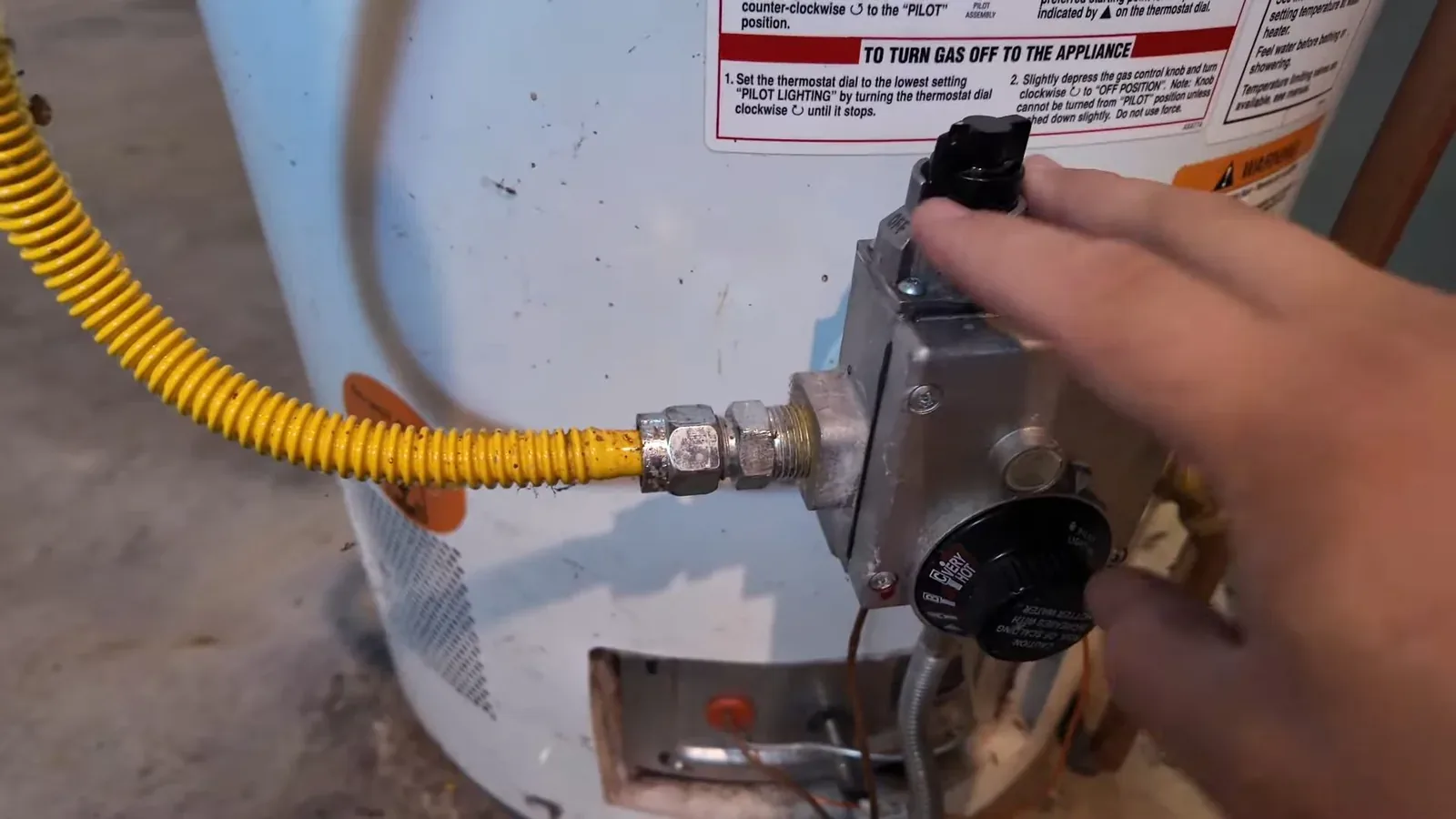
Smell of gas: leave, then call
The smell of gas, a hissing sound near a gas line or a gas appliance that behaves oddly is a utility and 911 matter before it is a plumbing matter. Do not look for the leak yourself.
Signs of a gas leak to know in advance:
- A rotten-egg or sulfur smell, since gas is given an odor so leaks can be noticed
- A hissing or whistling sound near a pipe, meter or appliance
- Dead or discolored plants in a line over a buried pipe
- A pilot flame that burns yellow or orange instead of blue
- Bubbling in standing water near a buried line
After the utility has made the area safe, a plumber inspects the piping, finds the failed point and repairs it, and that is when a call to our dispatch line fits. The line stays open all night, and the assigned plumber will say when to expect arrival.
Gas line repair: what is wrong, and how is it found?
Natural gas plumbing, meaning the piping after the meter, is tested the same way every time. A plumber finds a gas leak with a pressure test and a combustible gas detector, and sometimes with a leak detection solution brushed on joints, which bubbles where gas escapes. The test shows whether the system holds pressure and where it fails. Common failure points are threaded joints, flexible appliance connectors, corroded sections of black iron pipe and fittings that were disturbed by remodeling.
Repair ranges from tightening or replacing a fitting to replacing a section of pipe. The plumber should show you the failed part and explain why the repair is enough, and the repaired line is pressure tested again before the gas is turned back on.
| Failure | How it shows up | Usual repair |
|---|---|---|
| Failed flexible connector at an appliance | Smell near a range, dryer or water heater | Replace the connector and retest |
| Leaking threaded joint | Smell or bubbles at a union or fitting | Remake the joint with fresh sealant and retest |
| Corroded black iron pipe | Rust, flaking or a leak along the pipe | Replace the affected section |
| Damaged line after remodeling | A leak at a point near new work | Repair or reroute the damaged run |
| Failed CSST fitting or damage | Smell near flexible stainless tubing | Repair per the manufacturer's instructions, or replace the run |
Pipe replacement: black iron, CSST and what a plumber chooses
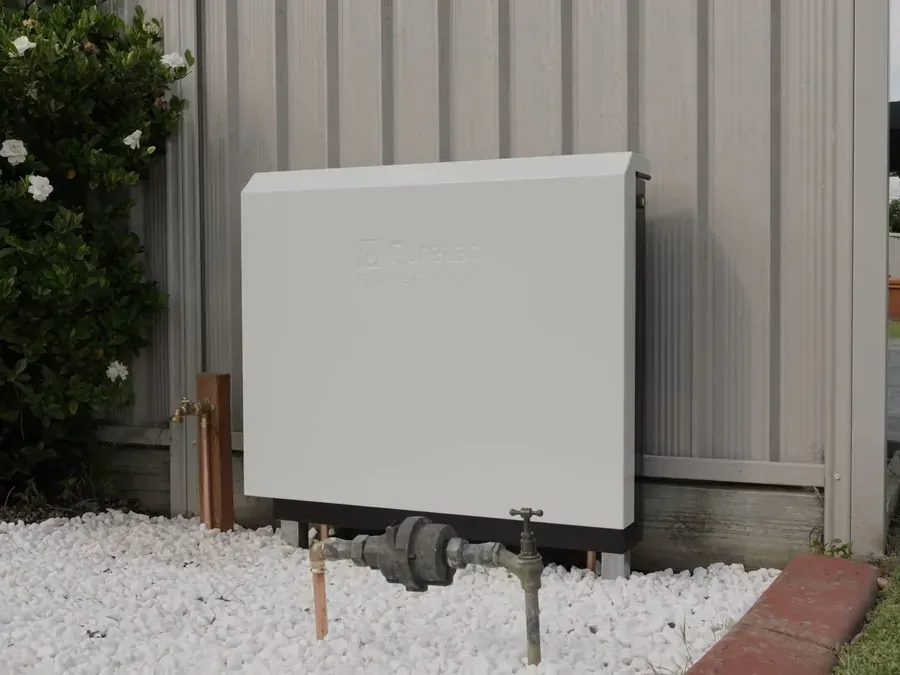
Black iron pipe is the traditional gas pipe, rigid and threaded, and it corrodes where it is damp or where it contacts soil. CSST is corrugated stainless steel tubing, flexible and faster to install in tight runs, and it has its own bonding and fitting requirements. Which a plumber uses depends on the run, the appliance load and the code requirement.
Replacing a failed section is a repair in scope. Replacing a longer run, adding a branch or moving a line is installation work, with a permit and a pressure test. Ask whether the quote is for one or the other.
Gas line installation for a new appliance or a move
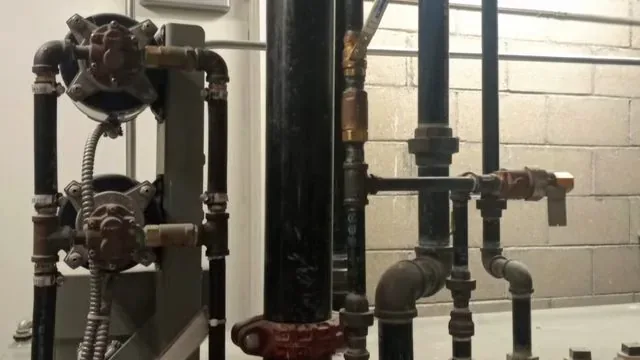
New hookups come up when a range replaces an electric cooktop, a dryer moves to a new location, a fireplace or outdoor grill gets a line or a generator needs a feed. Each adds load to the system, and the plumber checks that the existing pipe is large enough for the new appliance plus everything it already serves.
Installation is a sequence: size the line, route it, install a shutoff valve at the appliance, connect with the right fitting, pressure test and get the permit inspected. Appliance hookups for a range, dryer, fireplace, grill or generator all follow the same pattern with different connectors.
New hookup, repair or relocation: how to tell which job it is
- Repair: the line worked before and now leaks or fails a pressure test
- New hookup: an appliance is added where no gas line exists
- Relocation: an existing line is moved to a new place, such as during a remodel
- Replacement: the pipe or its material is the problem, not a fitting
- Propane: a tank-fed system, which has its own regulator and supplier rules, so ask whether the plumber services it
- Inspection: a check or pressure test with no repair, such as before buying a home
Each type has a different scope and permit situation. A plumber who asks which one you have is checking the right thing.
Permit and pressure test: gas piping is a permit item
Gas piping work is regulated work, and the City treats it that way.
A pressure test before the gas is turned on is standard for new or altered piping. Ask what test pressure and duration were used and whether it was recorded.
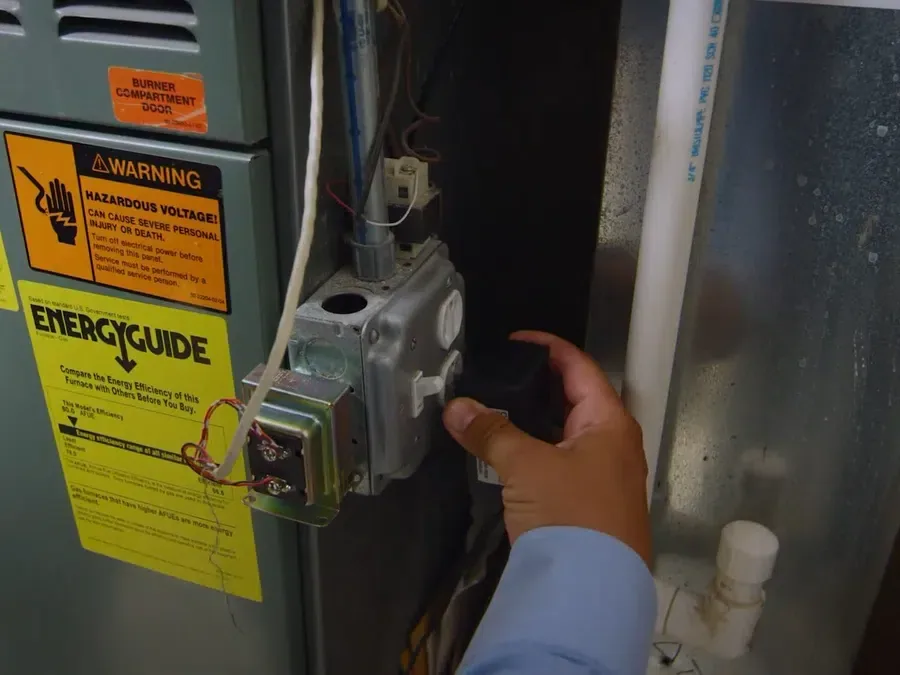
Earthquake shutoff valves and where the main valve is
The gas meter has a shutoff valve that the utility or the fire department uses, and the house may have an additional automatic shutoff that closes during strong shaking. Whether one is required or sensible for a given house depends on the building and the local rules, which a plumber can check. Everyone in the house should know where the shutoff is and that only a utility representative should turn it back on after an emergency use.
What to ask the plumber to document
- The failed part, shown or photographed, and the repair made
- The permit number and the inspection result
- The pressure test, with the pressure and the time held
- The pipe material and size of the new or altered run
- The shutoff valve location for each appliance
Gas line details that come up
Can a plumber detect a gas leak?
Yes, with a combustible gas detector and a pressure test. Gas leak detection is the first step once the utility has cleared the area.
Who installs a gas line for a stove?
A licensed plumber or gas contractor, with a permit. The work includes a shutoff valve, the right connector and a pressure test.
Is emergency gas line repair possible?
The first emergency step is the utility and 911. A plumber follows when the area is safe, and the dispatch line is answered at any hour for that call.
Gas line questions, answered plainly
Do I call a plumber for a gas leak?
Not first. Get out, then phone the gas company's emergency number or 911 from outside. A plumber repairs the piping after the utility has made the area safe.
Who can install a gas line for a stove?
A licensed plumber or gas contractor, working under a permit. The plumber sizes the line, adds a shutoff valve, connects the appliance and pressure tests the work.
What should I do when I smell gas?
Leave with everyone in the house, avoid switches, flames and indoor phones, and use a safe phone to reach the gas company or 911. Stay out until the utility clears it.
Do I need a permit to move a gas line?
Yes. Gas piping is on the City's permit list, so moving or altering a line means a permit and an inspection.
Gas and hot water services in Burbank
Gas smell? Leave first.
After the utility has cleared the area, phone the dispatcher and a plumber will inspect and repair the piping.
Call (818) 280-4874