Emergency Leak Detection and Repair for Burbank Homes
A water bill that jumped, a meter dial that keeps turning with every tap shut, a brown stain spreading across a ceiling: each one means water is leaving the pipes somewhere it should not. Leak detection is the work of finding that exact spot with instruments before anyone cuts into a wall or digs up a yard. It is for Burbank homeowners, landlords and tenants who know water is going missing and cannot see where.
Call (818) 280-4874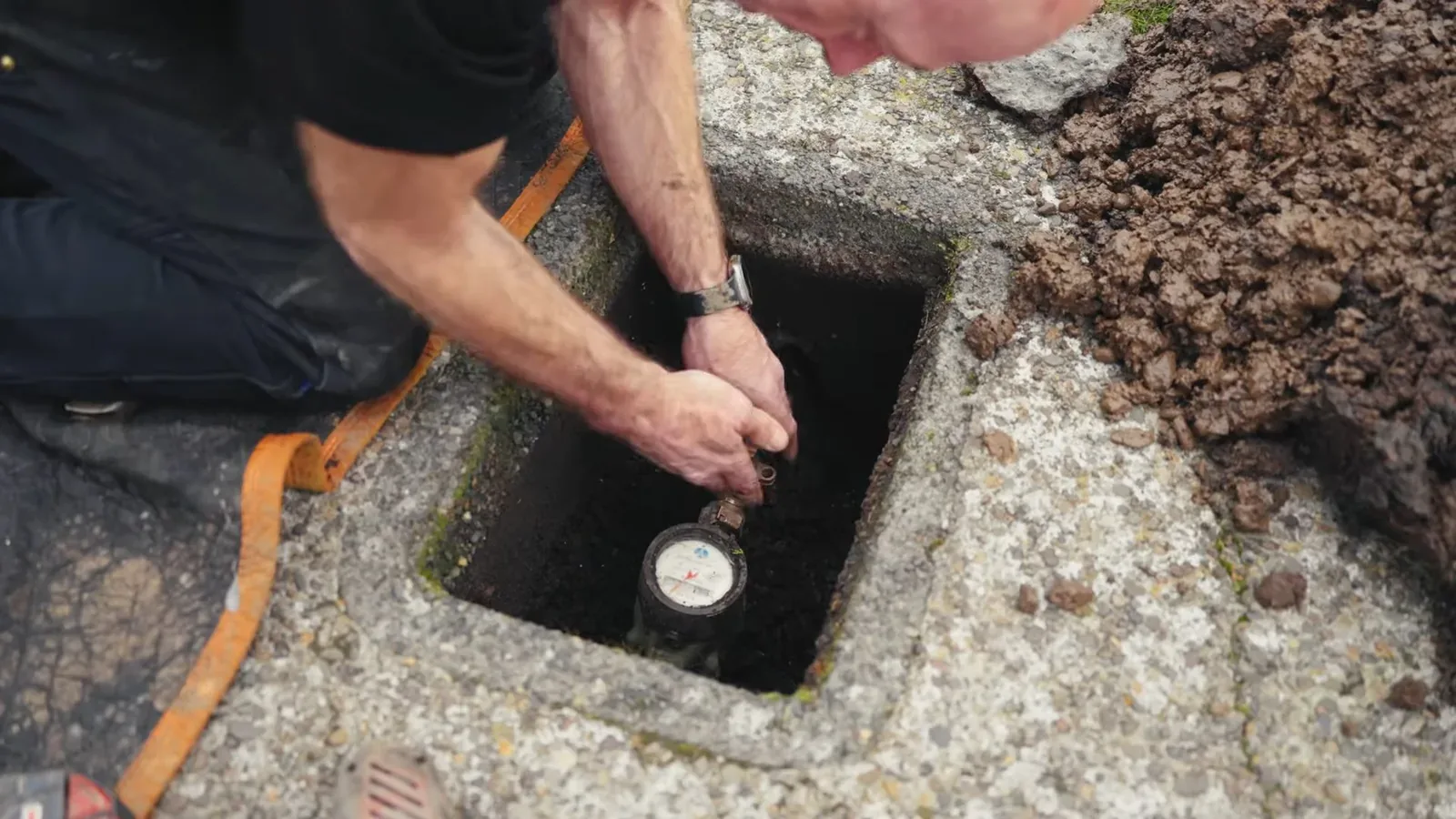
Is water really leaking, or is it just use?
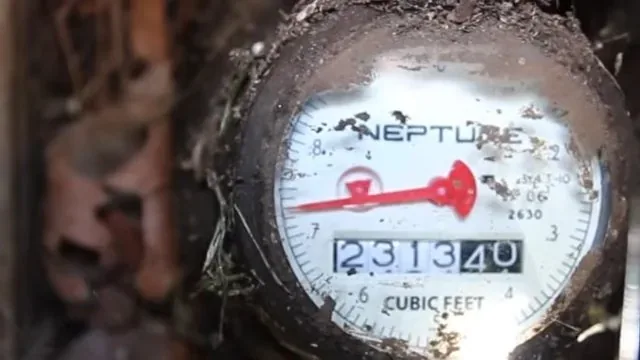
A ten-minute check answers the first question before anyone is called. Shut off every fixture, appliance and irrigation timer in the building, then look at the water meter. Most meters carry a small dial or triangle that spins whenever water moves. If it turns with everything off, water is going somewhere. If it holds still, the high bill probably came from use, or from a leak that runs only under certain conditions, such as a sprinkler zone on a timer or a toilet that refills at night.
A silent toilet leak is the most common surprise. A flapper that no longer seals lets water trickle into the bowl without a sound, and the meter creeps. A few drops of food coloring in the tank, with no flush for fifteen minutes, shows color in the bowl when the flapper is the culprit. That repair is a parts swap handled under faucet and toilet repair, and it costs a plumber minutes rather than a full detection visit.
What does a leak detection visit involve?
A residential leak detection visit starts with questions: the leak history of the house, where the stain or sound first showed up, when the bill changed, whether pressure dropped, and which fixtures sit nearest. Then comes a plumbing inspection and pipe condition check, a walk to inspect for leaks at every visible connection. The plumber looks at supply lines, shutoff valves, water heater connections, under-sink lines and the pipe material wherever it is visible, because an old valve or a corroded connector is often the whole answer.
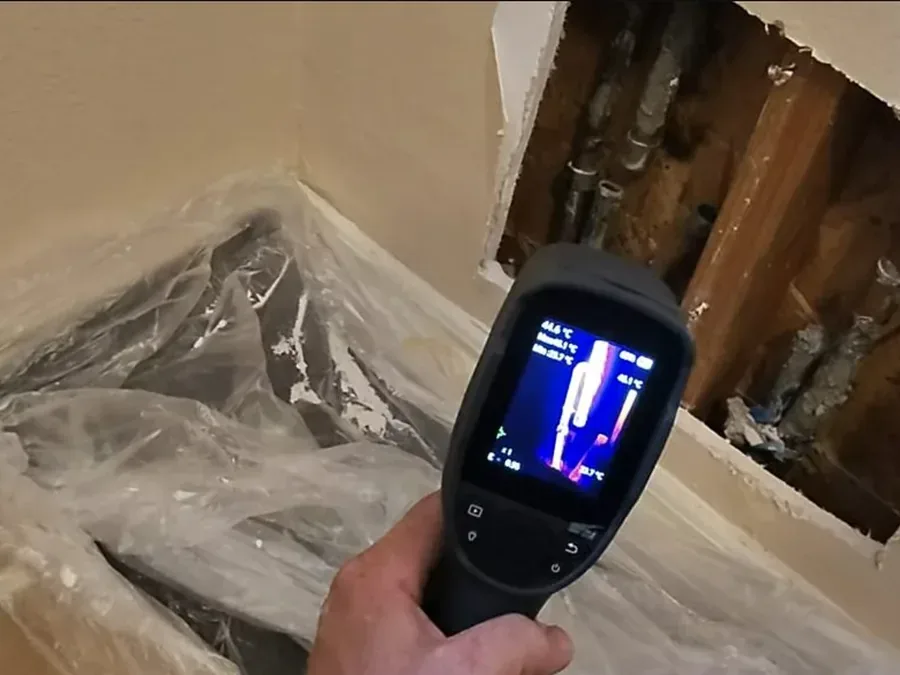
When the source is hidden, instruments narrow it down. Acoustic listening gear picks up the hiss of pressurized water through a floor or wall. Thermal imaging, sometimes called infrared imaging, shows temperature differences where leaking water cools or warms a surface. A moisture meter reads dampness behind drywall without opening it. Used together, electronic, thermal and acoustic detection can reduce a search from an entire house to a patch a few feet across, which keeps any opening in the wall small.
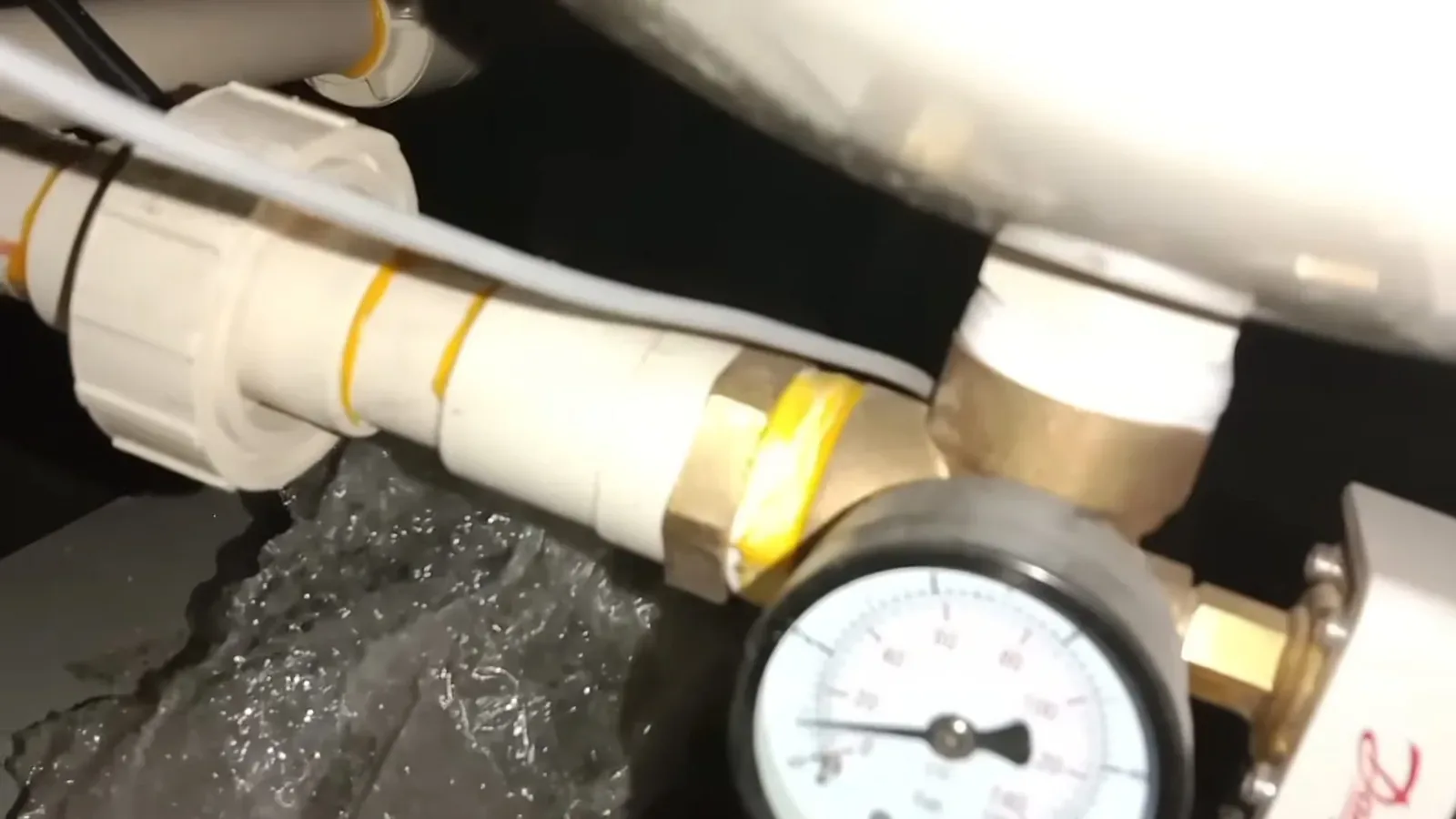
Pressure and hydrostatic testing close the loop. The plumber isolates a section of pipe, applies test pressure and watches whether it holds. A line that loses pressure points to a leak in that section; one that holds clears it and moves the search elsewhere. That is how a supply leak is told apart from a drain or fixture problem without guessing.
Burbank water leak repair: spot fix or pipe replacement
Find first, or repair on the spot? When access is easy, both happen in the same visit. A failed supply connector, a weeping shutoff valve or a pinhole in an exposed copper line can be repaired as soon as it is located. When the leak sits inside a wall or under flooring, a responsible plumber explains the opening needed, where it will be cut and what finish work follows before any tool touches the surface.
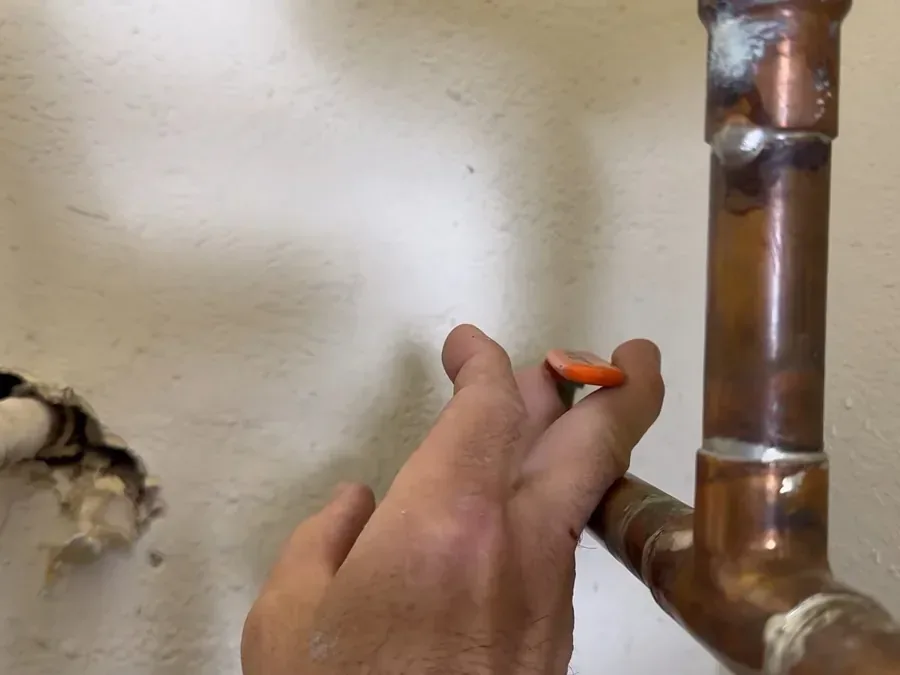
Repairs fall into three groups: a spot repair that fixes the failed point, a section replacement that swaps out a length of pipe, and a reroute that abandons a bad run and plumbs a new path. The difference matters for permits. Stopping a leak does not need one, but taking out and replacing hidden pipe is new work that brings a permit and an inspection with it.
Where is it: wall, ceiling, crawlspace or yard?
The place water shows up is rarely the place it starts. Water travels along framing, pipes and slab edges before it appears, so the table below pairs the common signs with where a plumber usually looks first.
| What you notice | Where the source often is | Sensible first step |
|---|---|---|
| Stain or bubbling paint on a ceiling | A supply or drain line above, a fixture on the floor overhead, or the roof | Photograph it, mark the edge of the stain with a pencil and note whether it grows |
| Damp or darkened baseboard, soft drywall at the bottom of a wall | A valve, supply stub or line running inside that wall | Shut the nearest fixture valve and see whether the dampness stops spreading |
| Warm patch on the floor, sound of running water at night | A hot supply line under or inside a concrete slab | Read the meter with everything off, then see the page on slab leaks |
| Soggy lawn, a green strip, pooling near the house | The service line between the meter and the house | Check the meter, note the wet spot and leave it undug |
| Musty smell with nothing visibly wet | A wall cavity, a crawlspace run or the cabinet under a sink | Ask for a moisture reading before opening any surface |
| Higher bill, nothing visible anywhere | A toilet flapper, a timer-driven irrigation zone or a slow line leak | Run the meter test described above |
Houses with a crawlspace or basement let a plumber look at pipes from below, which often turns a long search into a short one. A house on a concrete slab does not allow that view, and a leak there becomes a different job covered on the slab leak detection page. Sprinkler, drip and yard drainage lines are a separate trade, so an irrigation specialist handles them.
Underground leaks are the hardest to see. A service line leak under a yard or driveway may show only as a soft spot, a rising bill or low pressure. Underground leak detection relies on listening gear and a meter test, and the aim is to locate the leak precisely enough that underground pipe repair means one small excavation instead of a trench along the whole line. Watch for hidden leaks the same way: a bill that creeps up month after month deserves a meter test even when nothing is wet.
Whose pipe is it: the private side or the utility side of the meter?
Burbank Water and Power supplies the water, and the plumbing inside the building is private. That split decides who gets the call. A pressure complaint, a meter that looks wrong or a question about water quality belongs with the utility, while a leak inside the building belongs with a plumber. Where the utility's side ends near the meter is the utility's to say.
Questions worth putting in writing before the plumber leaves
Landlords, tenants and insurers all ask the same thing afterward: where was the leak, and how was it found? Leak location documentation settles that before it becomes an argument, and the more precise the leak location, the shorter the argument.
- The room, wall or area, with a measurement from a fixed point such as a corner or a fixture
- The method used to find it (acoustic, thermal, moisture reading, pressure test)
- Photographs taken before any surface was closed, including the failed part itself
- Whether the fix was a spot repair, a section replacement or a reroute
- Whether a permit was needed and who pulled it
- What was left unrepaired and why
The Burbank housing stock is also worth keeping in mind. A SCAG housing report puts about 52 percent of Burbank homes as built before 1960 and nearly a quarter between 1960 and 1979. That says nothing about any one house, but it is a reason to ask the plumber to identify the pipe material whenever a wall is opened, since the neighboring pipe is then visible and can be assessed in the same trip.
When to shut off the main and call right now
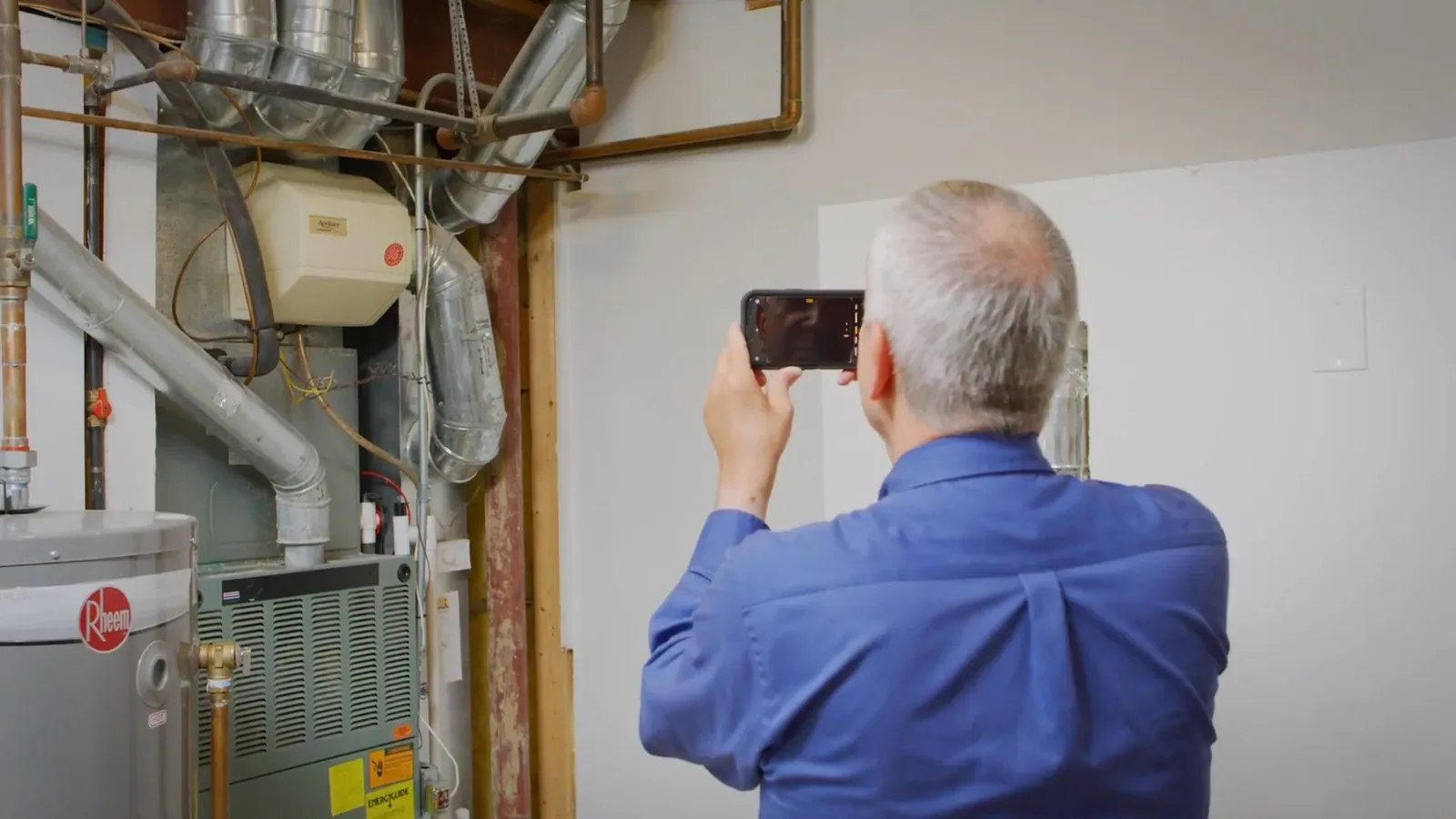
Some leaks cannot wait for a convenient hour. Water coming through a ceiling, a pipe that has separated, a supply line spraying behind a fixture or water reaching electrical outlets all justify closing the main valve first and calling second. Learn where that valve is before the day it is needed. It is usually where the line enters the house, near the meter or the water heater, and it should turn fully with one hand.
Our dispatch line hands your call to a plumber serving Burbank and is answered 24 hours a day, including nights and weekends. The dispatcher cannot name an arrival time, because that depends on where the nearest available plumber is. If water has already soaked drywall, flooring or insulation, the drying and cleanup side belongs to water damage restoration, which the same dispatch line can arrange.
More on common leak sources
Fixture leaks: toilet, faucet and shower
Fixture leaks account for many of the surprise bills. A dripping faucet cartridge, a failing shower valve and a running toilet usually need a part, not a search. If a fixture leaks inside the wall behind it, a plumber confirms that with a moisture reading before opening the wall, then repairs the fixture and the supply behind it.
Leaks behind appliances
Refrigerator ice-maker lines, dishwasher supply hoses and washing machine valves leak slowly and out of sight. If a floor under an appliance is soft or stained, pull the appliance forward, shut its valve and let the plumber check the connection.
Water heater and its connections
A damp floor near the water heater may be a fitting at the top, a relief valve line or the tank itself. A leaking tank is not repairable, while a loose connection is. The water heater repair page covers how a plumber tells the two apart.
Leak detection questions homeowners ask
Can a plumber find a leak in a sprinkler or irrigation line?
Sprinkler, drip and outdoor drainage systems are a separate trade, so an irrigation specialist usually handles them. A plumber covers the house shutoff, the main line and the service line up to the home, which is where a meter test begins.
Who should look for a leak when a tenant has a high water bill?
The tenant should notify the landlord or manager in writing and ask that a plumber check for a leak. Responsibilities differ by lease, so read it first. A plumber's written note with the location and method gives both sides a clear record.
The leak came back after a plumbing repair. What now?
A leak that returns after a repair usually means the first repair addressed a symptom or a neighboring point failed. Ask the plumber to retest the line under pressure and to document where the new leak is relative to the first repair.
Water is spreading across the kitchen floor from the refrigerator line. What should I do?
Pull the refrigerator out if it is safe, close the valve on the wall behind it and mop up standing water. If the valve will not close, shut the main. A plumber can then replace the line and valve and check the subfloor for dampness.
Related plumbing services in Burbank
Water going where it should not?
Describe the stain, the meter reading or the sound to the person who answers, at any hour, and the call is passed to a plumber serving Burbank.
Call (818) 280-4874