
Garbage Disposal Install and Repair for Burbank Kitchens
Repair it or replace it, now or later? A disposal that hums and will not turn, one that leaks into the cabinet or one that backs up into the sink each raise the question, and the answer depends on what failed and how old the unit is. This page covers what is safe to try yourself, what a plumber checks, when a new unit makes more sense and how the disposal connects to the dishwasher and the kitchen drain.
Call (818) 280-4874
Jam, hum or leak: what is safe to try
A disposal that hums and does not spin is jammed. The motor is trying to turn and something is blocking the blades. Turn the unit off at the switch, and for safety also unplug it or turn off its breaker. Never put a hand into the disposal, even with the switch off. Use tongs or pliers to remove anything visible.
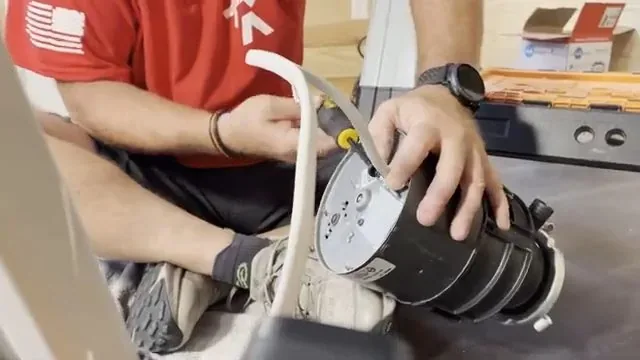
Most units have a hex socket at the bottom center. A hex wrench in that socket turns the flywheel by hand and clears a jam. The red reset button on the bottom pops when the motor overheats, and pressing it after a few minutes restores power. If the unit still hums or the reset trips again, the motor, the flywheel or the wiring is the issue.
- Switch off and unplug the unit, or turn off its breaker
- Look in with a flashlight, and remove objects with tongs, never hands
- Turn the flywheel with a hex wrench in the bottom socket
- Press the red reset button once the unit has cooled
- Run cold water and test; if it hums again, stop and call
Garbage disposal installation and replacement
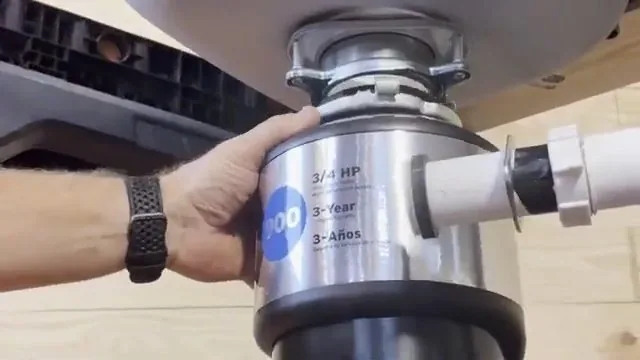
A replacement removes the old unit from its mounting ring, installs the new one on the sink flange, connects the drain and the dishwasher inlet, wires or plugs in the power and tests for leaks. Mounting rings and sink flanges vary by brand, so a new unit sometimes comes with its own flange.
Size and power matter. A larger motor handles more waste and runs quieter, but it needs more space under the sink. Ask which horsepower fits the household, how it mounts and whether the dishwasher knockout plug has been removed, a step that is easy to forget and leaves the dishwasher unable to drain.
Fix a garbage disposal: when repair is worth it
Who fixes garbage disposals? A plumber does, and the visit starts by finding out which of three things failed: a jam, a motor or reset problem, or a leak. A jam is a repair. A tripped reset on a motor that keeps tripping is a replacement. A leak depends on where it comes from, and the leak decides the rest.
The honest comparison is the repair quote against a new unit installed. Disposals are not built to last forever, and a unit that is past ten years or has failed twice is usually replaced.
| What you notice | What it usually means | Repair or replace |
|---|---|---|
| Hums, blades will not turn | Jam or stalled flywheel | Repair |
| Nothing happens, no hum | Tripped reset, outlet or switch | Usually repair |
| Leak at the top flange | Mounting or putty seal | Repair |
| Leak from the side | Gasket or hose clamp | Repair |
| Leak through the body | Cracked housing or inner seal | Replace |
| Resets trip again and again | Failing motor | Replace |
Leaking disposal: top, side or bottom
Where the water appears tells which seal failed. A leak at the top, around the sink flange, is a mounting or putty seal. A leak at the side, where the drain or dishwasher hose connects, is a gasket or hose clamp. A leak from the bottom or through the body means the housing has cracked or a seal inside has failed, and that is a replacement.
Do not run the disposal while it is leaking into the cabinet, because water can reach the motor and the electrical connection. Dry the cabinet, set a bowl under the unit and call. If the cabinet floor is soft, the leak has been running for a while, and the leak detection page explains when a visit should include a moisture check.
Dishwasher drain connection and clogs
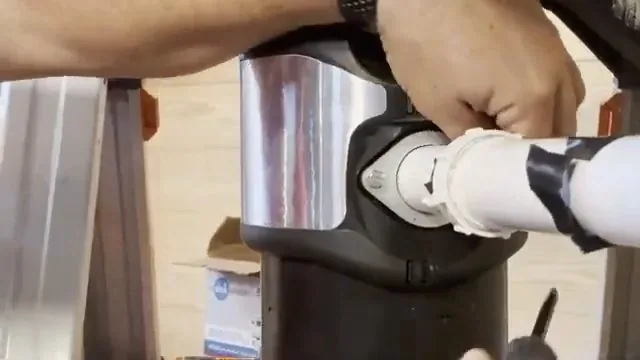
The dishwasher drains through the disposal or through an air gap to the sink drain, so a dishwasher that backs up into the sink is often a disposal or drain problem. If the dishwasher knockout plug was never removed, the dishwasher cannot drain through the disposal at all. A clogged hose or a high loop that is missing causes the same symptom.
A disposal that clogs and backs up into the sink points to the drain behind it. Grease, starch and fibrous scraps such as celery and potato peels settle in the trap and the first stretch of pipe. A plumber clears it with a cable, and it also checks that the dishwasher hose runs up and over before it connects.
A kitchen drain that keeps backing up
If the sink backs up again within weeks of clearing, a disposal is not the whole story. The line behind it has buildup, and a camera look tells whether it is grease, a joint or a damaged pipe. The drain cleaning page covers the tools, and the dispatcher can book a visit for the disposal and the line together.
Disposal details that come up
What should not go down a disposal?
Grease and oil, fibrous or stringy scraps, coffee grounds in quantity, pasta and rice that swell, bones, and anything that is not food. These cause clogs in the trap and the line behind it.
Why does the disposal smell?
Food residue builds up under the splash guard and in the chamber. Cold water, a scrub of the guard and a clean sweep with citrus peels or ice often help. A smell that persists after cleaning points to the drain behind it.
Do I need an electrician for a disposal?
A unit with a plug and an outlet under the sink needs none. A hardwired unit or a new circuit is electrical work, and a plumber confirms which one is in your kitchen before starting.
Disposal questions from Burbank kitchens
Why is my garbage disposal humming but not spinning?
The blades are jammed, or the motor is stalled. Switch it off, cut power, turn the flywheel with a hex wrench and press the reset button. If it hums again, a plumber should look.
Who fixes garbage disposals?
A plumber handles them, because the unit ties into the sink drain, the dishwasher and the power supply. Call the dispatch line and the job goes to a plumber for your area.
What happens if I wait to fix a leaking disposal?
Water reaches the cabinet floor, the motor and the wiring, and a small leak turns into a damaged cabinet and a replacement. Shut off the unit and call early.
Why does my disposal keep clogging?
The trap or the line behind it has buildup that the disposal cannot clear. A cable and a camera check tell whether it is grease or a damaged pipe.
Kitchen plumbing that connects to the disposal
Disposal humming, jammed or dripping?
Tell the person who answers what the unit does when switched on, at any hour, and the call is handed to a plumber for your kitchen.
Call (818) 280-4874